
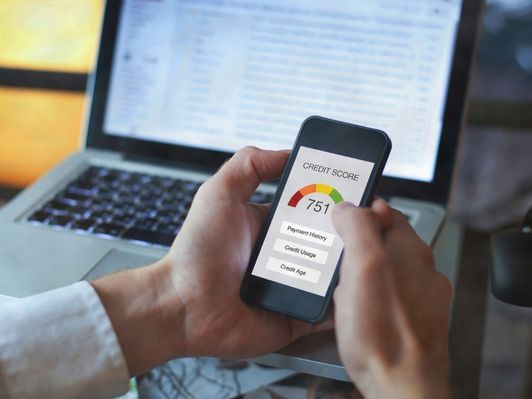
Your credit score is one of the most important parts of your money life. It affects many things from getting a loan to the interest rate on a mortgage. That’s why you should know what your credit score is. But do you know how to check your credit score?
Read on to find out how to check your credit score if you live in the UK.
Table of Contents
What is a Credit Score?
A credit score is a number that shows how likely you are to repay money you borrow. Lenders use it to decide if they’ll approve your loan or credit card.
Your credit health depends on both your money habits and which credit report you check. Each agency uses a different scoring system. The table below shows the score ranges used by the UK’s main agencies to define good and poor credit.
| Credit Score Range | Very Poor/Poor | Fair | Good/Very Good | Excellent |
| Experian | 0-640 | 641-860 | 861-1120 | 1121-1250 |
| Equifax | 0-438 | 439-530 | 531-810 | 811-1,000 |
| TransUnion | 0-565 | 566-603 | 604-627 | 628-710 |
Having a good credit score can help you get better terms on loans, mortgages, and credit cards. It’s one key way lenders check if you’re a safe person to lend money to.
How Can I Check my Credit Score?
There are two main ways to check your full credit report and score for free.
The first way to check your credit score is to go to the three major credit reference agencies. In the UK they are:
- Experian
- Equifax
- TransUnion (formerly Call Credit)
If you go to their website and create an account, you’ll be able to view a free statutory credit report once a year.
The second way to view your credit score is to sign up to a credit monitoring service. These include sites like Clearscore and Credit Karma. Using their services will let you see your credit score for free. And they’ll send you alerts when there’s any change to your score.
Many services now offer personalised tips to help you improve your credit score based on your credit history. This can be very helpful if you’re planning a mortgage application or other big financial step.
How Can I Check my Credit Score on Experian?
To get your free Experian credit score, you’ll have to set up an account with them. Head to the Experian website and click on the “Get Your Free Experian Credit Score” link. You’ll need to enter your personal details, including:
- Your name
- Date of birth
- Where you’ve lived for the past three years
You’ll also be asked about your finances, including your income and any credit you have. These could include short term loans, payday loans, or credit cards. Once you submit this information, you’ll be able to view your Experian credit score. It’ll give you a score between 0 and 999.
The Experian credit report offers a detailed view of your credit history and provides personalised insights about your credit health. Their app is also a handy way to check your score on the go.
How Can I Check my Credit Score on Equifax?
Equifax is another major credit reporting agency in the UK. Their website offers various tools for monitoring your credit. To check your score on Equifax, simply go to their website and create an account.
Once you’ve entered your personal information and verified your identity, you’ll see your Equifax credit report. Your score will be between their range of 0 to 1000.
The Equifax credit report includes information about your credit history, current loans, and payment history. Equifax also provides personalised offers and tips based on your credit profile, helping you make better financial choices.
Equifax offers both free and paid services. Their free service gives you access to your basic credit score, while paid options provide more detailed information and credit monitoring.
How Can I Check my Credit score on TransUnion?
As with the other two main credit reference agencies, you can get a free credit score on TransUnion. You’ll need to enter the same personal information that you enter with Experian and Equifax.
TransUnion will then generate your credit score based on their own scoring range of 0 to 710. TransUnion (formerly known as CallCredit) provides credit reports that lenders checks when you apply for financial products.
Their service includes access to your credit report details and personalised tips to help improve your score. They also offer identity protection services to help you keep your data safe.
How is my Credit Score Calculated?
Your credit score is calculated using complex systems. It’s not simple point deductions or additions for specific actions. Missing a payment won’t automatically reduce your score by a set number of points, nor will paying on time instantly add points.
The best way to understand how your actions affect your credit score is by monitoring it regularly. If you miss payments, your score may drop, while staying on top of payments can help improve it over time.
The key factors that are used to work out your credit score are:
- Your payment history
- How much credit you use compared to your credit limits
- The length of your credit history
- The types and amounts of credit you use
- How many new credit applications you’ve made
There are other factors that count too, such as how long you’ve lived at your address. But with so many things affecting your credit score, it’s not something you can work out yourself.
Credit reference agencies do not share exactly how their credit score calculated formulas work. Each has their own system, which is why your score can be different with each agency.
What is the Difference Between a Credit Report and a Credit Score?
The difference is that your credit report contains information, while your credit score is just a number. Your credit report shows all the information in your credit history. Your credit score is a number that’s worked out using all the information in your credit report.
Your credit report includes the following details:
- Your name, address and date of birth
- Anyone you’re linked to financially. This is anyone who you’ve got joint bank accounts with or joint loans
- If you’re registered on the electoral roll
- All your bank accounts
- Any loans, credit cards and other forms of finance you have such as car finance
- Any missed or late payments
- Any applications you’ve made for credit
You can get a copy of your credit report from the credit reference agencies. A statutory credit report can cost £2 but your credit score can be obtained for free.
Checking your full credit report is important because it gives you more detail than just your score. It lets you spot any errors or fraud that might be hurting your credit health.
What is the Difference Between My Credit Score and My Credit Rating?
Your credit score and your credit rating are often thought of as the same thing, but they’re not quite. Your credit rating will be displayed as ‘very poor’ through to ‘excellent’. The rating is based on where your credit score falls within the scale. It’s more general while your credit score is more specific.
The credit reference agencies will give you a rating according to your credit score. But this isn’t always the same rating that a lender will give you. That’s because all lenders have their own criteria they use to work out if they’re going to lend to you.
This means that having a good credit score with the agencies doesn’t always mean you’ll be approved for a loan. Some lenders are not a lender themselves but may connect you with actual lenders based on your credit profile.
At Lending Stream, we look at more than just your credit score when you apply for a loan with us. Which is why even if you have bad credit, we might consider you for a bad credit loan too.
How Often Should I Check My Credit Score?
The answer to this varies depending on your personal circumstances. But checking it regularly is important for your credit health. You can check it:
- Once a year: This is the minimum number of checks that you should do
- Every month: This is recommended to keep track of any changes in your credit score. It helps when you’re trying to improve it
- Before you apply for any form of credit: It’s worth checking your credit score before submitting applications for credit. It’ll help you find out which loans and credit cards you’re more likely to be approved for
Checking your credit score may seem like a hassle, but it’s an important part of taking control of your finances. Remember, your credit score isn’t a fixed number that you’re stuck with for life. It can change at any time, based on your behaviour, which is why it’s worth keeping an eye on it.
Many services now offer free access to your credit score, making it easier than ever to monitor your credit health with confidence.
What Affects My Credit Score?
There are several things that can affect your credit score. Some things will help to improve it, others will hurt it. Below is a table of what helps bring your credit score up, and what brings it down.
| What helps improve a credit score | What brings down a credit score |
| Make all your payments in full and on time | Making your payments late or missing them completely |
| Building up a long credit history | Having no credit history |
| Being registered on the electoral roll | Not being registered on the electoral roll |
| Borrowing below your credit limit | Borrowing up to your credit limit |
| Paying less than 30% of your income on your debts | Paying more than 30% of your income towards your debts |
| Not making lots of new applications | Making lots of new applications for credit |
Having a good credit score is important for your future financial options. It can affect everything from loans and mortgages to mobile phone contracts and even some job applications.
What Can I do if my Credit Score Needs Improvement?
If your credit score needs improvement, here are 4 steps you can take:
- First, get your credit report from any of the credit reference agencies and check it for errors. If you find any mistakes, dispute them directly with the agency. Even mistakes on your address can affect loan applications you make, so make sure it’s all right.
- Second, make sure you’re paying all of your bills on time, including rent and utility bills. Just about everything you pay on a monthly basis is factored into your credit score.
- Third, keep your credit card balances low. The closer you get to your credit limit, the worse it is for your credit score.
- Fourth, if you have any missed or late payments, work on getting back on track with them all. Set up automatic payments so that you never miss another due date. Catching up with your payment history will have a positive impact on your credit score over time.
Taking these steps can help improve your credit score. A good credit score will help you get the loan you need at the best possible interest rate.
Many credit reference agencies now offer personalised tips and insights to help you improve your score based on your specific credit history.
FAQs About Credit Score
Can I Really Check My Credit Score for Free?
Yes, you really can check your credit score for free in the UK. All three major credit reference agencies (Experian, Equifax, and TransUnion) offer free access once a year to your credit score. There are also several third-party services like ClearScore and Credit Karma that provide free credit scores. These free services may offer basic information, while paid services often provide more detailed credit reports and monitoring. But for most people, the free services offer enough information to keep track of their credit health.
How do I do a Credit Check on Myself?
To do a credit check on yourself:
1. Choose a credit reference agency (Experian, Equifax, or TransUnion)
2. Visit their website and create an account
3. Verify your identity by providing personal information
4. Access your free credit score and report
You can also use credit score apps or third-party services that compile information from one or more of the major credit reference agencies. Many of these services offer free access to your basic credit information.
How do I Find out my Credit Score for Free?
There are several ways to find out your credit score for free in the UK:
Go directly to Experian, Equifax, or TransUnion websites
Use services like ClearScore, Credit Karma, or MoneySavingExpert’s Credit Club
Check if your bank offers free credit score access (many now do)
Use mobile apps provided by credit reference agencies
Most of these services will require you to create an account and verify your identity before you can access your free credit score.
Which are the Best Sites to Check my Credit Score?
The best sites to check your credit score in the UK include:
Official credit reference agencies: Experian, Equifax, and TransUnion all give you your credit score for free once a year
ClearScore: Uses Equifax data to provide free credit scores and reports
Credit Karma: Offers free TransUnion credit scores
MoneySavingExpert’s Credit Club: Provides free Experian credit scores
Totally Money: Offers free credit reports and scores
Each service has its own features and benefits, so you might want to try more than one to get a complete picture of your credit health.
Which are the Best Credit Score Apps in the UK?
In the UK, there are quite a few different credit score apps available. Some of the best include:
Experian: Offers a user-friendly app with free score access
Equifax: Provides detailed credit information through their app
ClearScore: Features a clean interface with free score updates
Credit Karma: Offers free credit scores and personalised tips
Totally Money: Provides free credit reports and offers
These apps make it easy to check your credit score on the go and often send notifications when there are important changes to your credit report.
Is it OK to Check Your Own Credit Score?
Yes, it’s absolutely OK to check your own credit score. In fact, it’s recommended to do so regularly. When you check your own credit score, it’s recorded as a “soft search” which doesn’t affect your credit score.
Only “hard searches” (when lenders check your credit file as part of a formal application) can temporarily lower your score. Checking your own score as often as you like will never harm your credit rating.
Regular checks help you spot errors, track improvements, and detect potential fraud early. It’s a healthy financial habit that gives you more control over your credit health.
Disclaimer: We are not affiliated with any of the external parties linked in this article. They are provided only for reference purposes.