
Have you ever wondered what the average credit score is in the UK? Or how does your credit score compare to other people’s? Knowing the average can help you see where you stand.
But there’s no single average score across the UK. This is because there are three main credit reference agencies: Experian, Equifax, and TransUnion. Each one uses a different scale to rate your credit. That means the average score is different for each agency.
Let’s take a look at the credit score ranges for each agency, the average scores, and what this means for you. We’ll also cover why your credit score matters, what affects it, and how you can work on improving it.
Table of Contents
How Do The Three Credit Reference Agencies Measure Your Credit Rating?
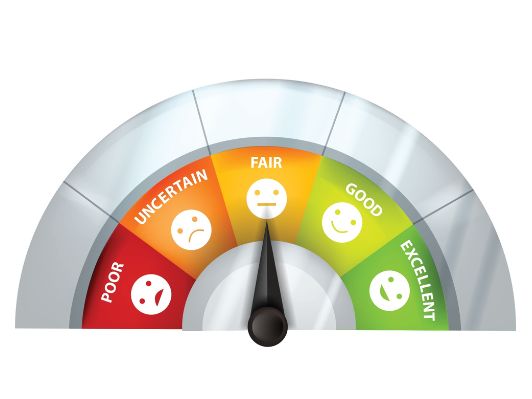
Each of the three agencies – Experian, Equifax, and TransUnion, scores your credit using its own scale. These scores are split into bands like Poor, Fair, Good or Excellent.
Here’s a breakdown of the credit score bands:
| Credit Score Range | Very Poor/Poor | Fair | Good/Very Good | Excellent |
| Experian | 0-640 | 641-860 | 861-1120 | 1121-1250 |
| Equifax | 0-438 | 439-530 | 531-810 | 811-1,000 |
| TransUnion | 0-565 | 566-603 | 604-627 | 628-710 |
Why is Your Credit Score Important?
Your credit score shows how well you manage money. Lenders check it when you apply for things like A loan or credit cards, mortgages, or phone contracts. A higher score means you’re seen as a lower risk, so you may get better rates or be more likely to be approved.
Some landlords and employers may also check your credit history. That’s why keeping your score healthy is important.
What Affects Your Credit Score and How Can You Improve It?
Your credit score can go up or down based on how you manage your money. Here are some things that can affect it – and how to improve:
1. Pay on Time
Always try to pay back credit cards, loans, or bills on time. Missed payments can hurt your score. You can set up Direct Debits to help avoid this.
2. Keep Credit Card Balances Low
Try not to use all of your credit limit. Lenders like it when you use under 30%–40% of your total credit.
3. Register on the Electoral Roll
Being on the electoral roll makes it easier for lenders to check your identity. It only takes a few minutes to register online.
4. Check Your Credit Reports
Look at your reports from all three agencies. Make sure your details – like your name, address and accounts – are correct. If you find a mistake, ask the agency to fix it.
In Summary
On average, people in the UK have a credit score that falls into the Fair or Good category, depending on which credit reference agency you check. There isn’t a universal credit score used across the UK, as each agency has its own scoring system. However, keeping your score in a healthy range is important. Paying on time, staying within credit limits, and making sure your credit records are accurate can all help maintain or improve a poor credit score.
Disclaimer: The information given above is provided for reference only. This is not financial advice.