
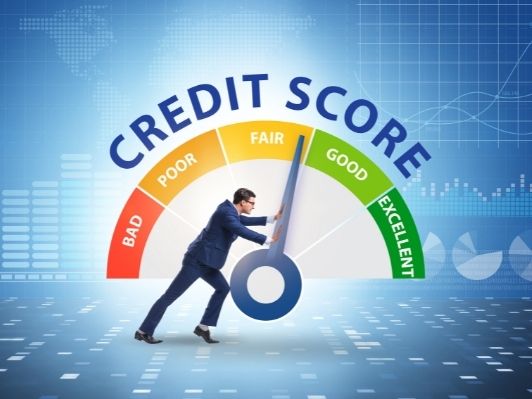
Your credit score matters and can make the difference when you’re applying for a loan or for a credit card.
With a good credit score, the chances of your loan or credit card being approved increases. But what if you have a bad credit score? All is not lost, there are many ways to improve your credit score and get better rates and deals. Read on to find out how you can make a difference in 2025.
Do you know how to improve your credit score? Many people are unsure what steps to take. The good news is that anyone can work to boost their credit score with the right knowledge.
Table of Contents
7 Top Tips To Boost Your Credit Score
Want to know how to improve your credit score quickly? These tips can boost your chances of improving your credit score. Your credit score is a key factor lenders consider. Learning how to improve your credit score can help you access better financial products.
1. Make Sure To Pay Your Bills on Time
Keep paying your bills on time. Late payments will have a big knock on your score. They will stay on your credit file for up to six years. Late or defaulted payments send warning signals to lenders. Even a single missed payment can damage your credit score.
What if you’d already missed a few payments? Try not to miss anymore! Getting yourself back on track is key. And the older a missed payment, the less impact it has on your score. Setting up a direct debit can help ensure you never miss payments on household bills and credit accounts.
If you can’t make a payment, then talk to the lender/company as soon as you can. They can usually set something up to help you out. Doing something is always better than doing nothing and burying your head in the sand.
Remember: Even a single missed payment can impact your credit score negatively. Lenders report arrears to credit reference agencies, which affects your credit record.
2. A Credit Card Can Help
What if you’ve never had credit before? A credit card or Line of Credit can help you get started. Borrowing a little and paying back in full every month will ensure you don’t get yourself into too much debt.
Unsecured credit cards can be excellent tools to build credit history when used responsibly. A good rule of thumb is to only use around 30% of the credit limit from your credit card or line of credit. So, if you have a limit of £500, then you should try to make sure your credit utilisation or balance stays under £150.
Staying within agreed credit limits shows you can manage accounts carefully. Lenders look favorably on those who maintain low debit balances compared to their available credit. As always, think carefully before applying for credit. Boosting your score is important, but you should always ask yourself: Do I really need to borrow this money?
Active credit accounts shows lenders your ability to handle credit responsibly. This can lead to higher credit limits over time.
Also Read: Bad Credit Warning Flags That Lenders Look For
3. Beware of The Frauds – keep an eye on your score
Identity thefts are unfortunately becoming more and more common. Once fraudsters have your information, they can often try to take out credit in your name – defrauding the lender and leaving you with a bill that’s not your fault.
Never share your personal details with people you don’t know. Protecting your information is essential for maintaining your credit record.
By keeping a regular check on your credit report, you can easily detect all the financial irregularities happening with your credit accounts easily and quickly. You can get a report for free once a year for all the major three major credit bureaus. Equifax, Experian, and TransUnion.
Check your Experian credit score and other reports regularly to spot any issues early.
It’s a good idea to check your report at least once a month (you can even get these sites to email you if anything changes). When you check your file if you see any unusual accounts or transactions you don’t recognise, you’ll need to:
- Raise a data dispute with the relevant agency.
- Contact the lender / business that placed the account on your file to query.
- Consider contacting legal or financial services for advice if needed.
- Third party organisations might also check your credit file, so keeping it accurate protects you in multiple ways.
Important Note: Never share your personal details with someone you don’t know. If you’re looking to apply to a lender – make sure they are on the FCA register.
4. Get Your Name on Electoral Roll
It’s not just critical to make sure you can vote. Getting your name on the electoral roll is vital to boosting your score. Every credit reference agency and lender will check to see if you’re on this. If you’re not, you’ll really struggle to get a loan.
Registering on the electoral register is one of the quickest ways to improve your credit score.
Registering is super easy and can be done here.
Even if others at the same address are registered, you need to sign up separately. This verification helps with your future credit eligibility.
5. Start Getting Bills in Your Name
There are many bills which can get reported to your credit file. This includes loans, utility bills (gas and electric), mobile phone contract, etc. Having these bills in your own name can let you show your lender that you are capable of repaying loans on time. If you’re paying the bills anyway, you should be getting the credit!
Regular payments on even utility bills can help establish a positive credit history. There are also ways to get your rent payments helping your credit score as well. Some landlords and managing agents now report rent payments to credit reference agencies.
Having utility bills in your name is especially important if you’re trying to build credit history from scratch.
Other service providers check your credit report too, not just banks and lenders. Showing good payment habits can help across multiple services.
6. Get rid of the big things first
Failing to pay money you owe can lead to a lender registering a default with the credit reference agencies. If you still don’t pay, they could even go to the courts to place a CCJ on your file.
Defaults and CCJs can be massive red flags to other lenders. If you’re looking to “correct” your situation, you should look at these first. Speak to the lenders in question and ask them to help you arrange a payment plan.
County court judgements stay on your credit file for six years. They seriously impact your ability for borrowing cheaper loans and credit. Existing debt should be your priority before taking on new credit. Focus on clearing defaulted payments first.
Individual voluntary agreements also appear on your credit record. These and other formal arrangements can affect your credit for years. Early lenders might consider your application despite past issues if you’ve shown recent improvement.
7. Credit Score Dropping? Don’t Panic
The last and the final item is not to panic even when your credit score is dropping each month. Unless you absolutely need it, you should try to reduce your credit applications and try to understand the factors that are lowering your scores.
Remember that changes to your credit score don’t happen overnight. Patience is key. Your Credit score is not the only thing which is responsible for your loan application rejection or approval.
Different lenders look for different things when considering your application and a credit rating is not always the 1st thing they look for. Some lenders may still extend offers to low risk applicants despite an imperfect score. Managing accounts and keeping them up to date is often more important.
If you’re experiencing financial difficulties, speak with your lenders. Many have programs to help customers through tough times.
Understanding How Credit Scores Work
Have you ever wondered how credit scores work? Credit reference agencies collect information about your financial behavior and calculate a score. This score helps lenders assess the risk of lending to you. The higher your score, the more likely you are to be approved for credit.
Your credit history, including how you’ve handled borrowed money in the past, forms a major part of your score. Lenders and other service providers check these scores when you apply for products or services.
Why Is a Good Credit Score Important?
A good credit score is important for many reasons beyond just loan approval. It can affect:
- The interest rates you’re offered
- Your credit limit on cards and loans
- Approval for mortgages and car finance
- Rental applications
- Job applications in some financial sectors
Having a good credit score is important for your overall financial health. It opens doors to better products and rates.
Your credit rating affects your financial options significantly. Working to improve your credit can lead to substantial savings over time.
How Credit Reference Agencies Calculate Your Score
Credit reference agencies look at several factors when calculating your score:
- Payment history (including missed payments)
- Credit utilisation (how much of your available credit you’re using)
- Length of credit history
- Types of credit accounts you have
- Recent credit applications
- Public records (like CCJs and individual voluntary agreements)
Each agency has its own scoring system, which is why your score might differ between Experian, Equifax, and TransUnion. County court judgements have a significant negative impact on your score. They indicate serious payment problems.
Credit accounts shows patterns in your financial behavior. Consistent, responsible management leads to better scores.
The Impact of Joint Accounts on Your Credit
Did you know that joint accounts can affect your credit score? When you open joint accounts with someone, you create a financial link. Joint account holders share responsibility for the account. If one person misses payments, both credit files can be affected.
This is particularly important for couples or housemates who share bills. Make sure you trust the financial habits of anyone you link accounts with. If you no longer share finances with someone (after a breakup, for example), make sure to close joint accounts and notify credit reference agencies to break the financial link.
Having the same accounts with someone doesn’t automatically create a link. Only joint credit accounts (like loans or credit cards) establish this connection.
Building Credit When You Have None
If you’re just starting out, here are ways to build credit history:
- Open a basic bank account.
- Apply for a credit builder credit card.
- Get a mobile phone contract in your name.
- Sign up for secured lending products designed for beginners.
- Ensure utility bills are in your name.
- Starting small and managing these accounts well shows lenders you can handle credit responsibly.
Remember that building a solid credit history takes time. Start with smaller products and gradually work your way up.
Monitoring Your Credit File
Regularly checking your credit file is essential for maintaining good credit health. It helps you:
- Spot errors that might be lowering your score.
- Detect fraud early.
- Understand what’s affecting your score.
- Track your progress as you work to improve your credit.
Most credit reference agencies offer free access to your basic credit report. Some also offer paid services with more detailed information and monitoring tools.
How Long Does It Take To Improve Your Credit?
Improving your credit doesn’t happen overnight. Small positive changes can show results in a few months, but major improvements might take a year or more.
The timeline depends on:
- The severity of past credit issues
- How recently they occurred
- The steps you’re taking to improve
- Your current financial stability
Consistency is key. Regular payments and responsible credit management over time will gradually improve your score.
Borrowed money should always be repaid according to the agreed terms. This builds lender confidence and improves your score.
Conclusion
If you have a bad or average credit score and want to improve your credit, following our guide above can help. The quicker you start working on your credit rating, the faster you will see results.
Improving your credit score takes time and consistency. Focus on making payments on time, keeping credit utilisation low, and addressing any negative items on your report.
By following these tips, you can gradually improve your credit score and access better financial products. Remember that financial commitments should always be taken seriously, and managing your money responsibly is the key to long-term financial health.
Disclaimer: Note that, we are not providing any financial advice here. Our blogs are written for informational purposes only.