
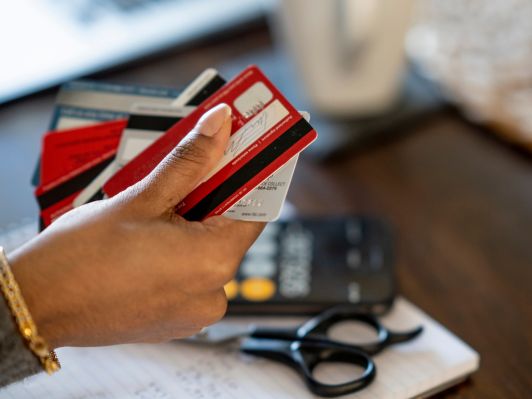
In the UK, the average consumer spent £790 on credit cards in February 2025. The average credit card balance per household was £2,572 in 2025.
Paying off credit card debt can seem like an uphill battle, and it’s not something to be taken lightly. Various debt repayment strategies can be used to pay off persistent credit card debt. These strategies include:
- Debt consolidation loan
- Balance transfer credit card
- Debt snowball method
- Debt avalanche method
- Debt management plan
The above tactics have been widely successful in paying down any debit – big or small. In this blog post, we’ll break down how to pay off credit card debt and will help you with a few tips to get out of a debt spiral.
Table of Contents
How is credit card debt built up?

There is no definite answer to this question, as it varies from person to person.
However, credit card debts are often caused by overspending. This might be making purchases beyond your means or not keeping up with payments. Interest can quickly add up and lead to a snowball effect of debt.
The inability to budget appropriately is another factor that causes debt.
Your debt will also build up quickly if you can’t make a monthly minimum payment on time and/or miss several payments. In the UK, credit card companies can increase your interest rate if you fall behind on payments. This makes it even harder to pay off the debt.
Paying off your credit card debt may seem daunting, but it’s achievable. There’s no quick fix. It can take years. However, with dedication and perseverance, you can work your way to becoming debt-free.
Top 5 credit card debt repayment strategies
The most effective way of dealing with credit card balance depends on the individual situation. However, here are some popular strategies to help you figure out how to pay off credit card debt.
1. Consolidate debt with personal loan
If you have multiple debts, such as multiple credit cards, you can take a debt consolidation loan and merge several loans into one manageable loan. This gives you the advantage of having just one monthly repayment instead of multiple, helping you avoid the hassle of keeping track of different amounts.
It also usually comes with a lower interest rate than given by credit card providers, helping you save money in the long run.
Plus, if you need better credit, this is also a good option, as there are particular consolidation loans for people with poor credit scores. Studies show that consolidation loans could be a great way to reduce the amount you’re paying monthly and can help boost your credit rating.
2. Use balance transfer credit card
If you have credit card debt with an Annual Percentage Rate (APR) higher than 15%, it’s worth considering a balance transfer card. These cards with introductory 0% APR promotions provide great value with some offers lasting a year or longer. Giving you a interest free period and hopefully helping you pay off the debt quickly.
Take advantage of balance transfer cards by transferring your existing credit card debt onto one with a lower interest rate. This method helps you save money on the overall repayment amount. However, be aware that some balance transfer cards charge a transfer fee, which is usually a percentage of the transferred amount. Make sure to factor this cost into your decision.
You just have to remember that the introductory period will eventually end, so be sure to pay off the debt before that time.
3. Pay off the smallest balance first / debt snowball method
The debt snowball method focuses on paying off your smallest debts first, while still making minimum payments on larger debts.
Once the smallest balance is paid off, move on to your next debt and use the same approach.
Continue this process until all debts have been cleared up. This method works well for people who need the motivation to keep pushing forward and helps reduce the amount of money you owe faster as you’re focusing on one debt at a time.
4. Pay off high interest debt first / debt avalanche method
The debt avalanche method is almost identical to the snowball approach, except it focuses on the high-interest debt first. Instead of targeting the lowest balance first, you begin by tackling your highest interest-rate credit cards first and then move on to lower ones thereafter. By paying off your debt this way, you save more money in the long run.
Not just that, but it can also be a great way to pay off debt faster. You’ll still need to make minimum payments on all other cards, but you can use any extra cash to pay off the debt with the most interest.
5. Debt management plan
A Debt Management Plan (DMP) is a financial strategy that consolidates all your credit card debt into one easy-to-manage monthly payment. It can also include debts such as overdrafts, utility bills, etc. A DMP is designed to reduce the debt’s interest rate, resulting in a quicker repayment schedule.
This option works best for those with multiple debts who want to reduce the interest rate and simplify their repayment process into one monthly payment. Plus, it can help you avoid late fees, over-limit charges, or any other penalties associated with your debt.
Be aware that interest rates and product offerings can change. For example, some banks have recently increased their credit card interest rates. It’s advisable to review the latest terms and conditions of any financial products before making a decision.
Tips for paying off credit card debt faster
Below are some tips to help you pay off your credit card debt faster, and boost your credit score.
1. Create a budget and stick to it
Tackle your debt with a plan. Create a budget to determine the amount you can pay each month and do your best to stick to it. It’s essential to set realistic goals that you know you can achieve. Otherwise, setting too high or impracticable goals can overwhelm or discourage you from continuing your debt-free journey.
For example, you can start small by setting aside a certain monthly amount to pay off your debt. Then as you progress, look for ways to increase your savings and make additional payments when possible.
2. Target one debt at a time
By targeting one debt at a time, you can ensure you are paying off the highest interest rate first and reducing the amount you owe in total.
In case you have two credit cards, concentrate on settling the one with the highest interest rate sooner and make minimum payments on the other. This will help you get out of debt faster and save more money.
3. Pay more than the minimum
You should always aim to make minimum repayments on your credit card bills each month. If possible, paying more than the minimum on your credit card repayments will help you get out of debt faster and save money in the long term.
4. Find ways to make extra cash on the side
Another way to pay off credit card debt in UK is by finding ways to make some extra cash on the side. This could be anything from a part-time job, freelance gigs, or selling items you no longer need.
Any additional income can directly reduce your debt faster and with fewer expenses. Plus, it’s always good to have multiple streams of income.
5. Review your spending
Finally, it’s essential to review your spending habits and look for ways to cut back. Small changes can make a significant difference in the long run. This includes making coffee at home instead of buying from a cafe or eating out less often. Track your expenses and look for ways to reduce them. Use online or offline platforms to budget your money and understand where to save.
Consider reviewing and cancelling any unnecessary subscriptions to free up extra cash for debt repayment. Additionally, transferring your balance to a 0% interest balance transfer card can help you pay off your debt faster without accruing additional interest.
Final verdict!
With the right plan and attitude, you can pay off credit card debt quicker than you think! Consider the methods above to reduce your debt and create a plan that works for you.
FAQs
What happens if I cannot pay off my credit card debt?
Contact your credit card company immediately if you can’t pay your monthly minimum credit card balance. They may be able to help you come up with a payment arrangement or provide alternatives to help you get back on track.
Does having credit card debt have an impact on my credit score?
Yes. Having credit card debt can hurt your credit score. If you have credit card debt, paying at least the minimum monthly payment and paying off your balance as soon as possible is the best thing you can do.
In the future, what can I do to reduce credit card debt?
Try setting up automated fixed monthly payments, so you don’t miss any due dates. Make sure your monthly credit card balance is below your limit and within what you can afford. Find ways to make extra cash on the side and review your spending habits.
Do credit scores increase if the debt is paid at once?
Paying off your credit card debt in full can positively impact your credit score over time. However, improvements may not be immediate, as credit scores consider various factors, including payment history and credit utilization.
Disclaimer: The information given above is provided for reference only. This is not financial advice.